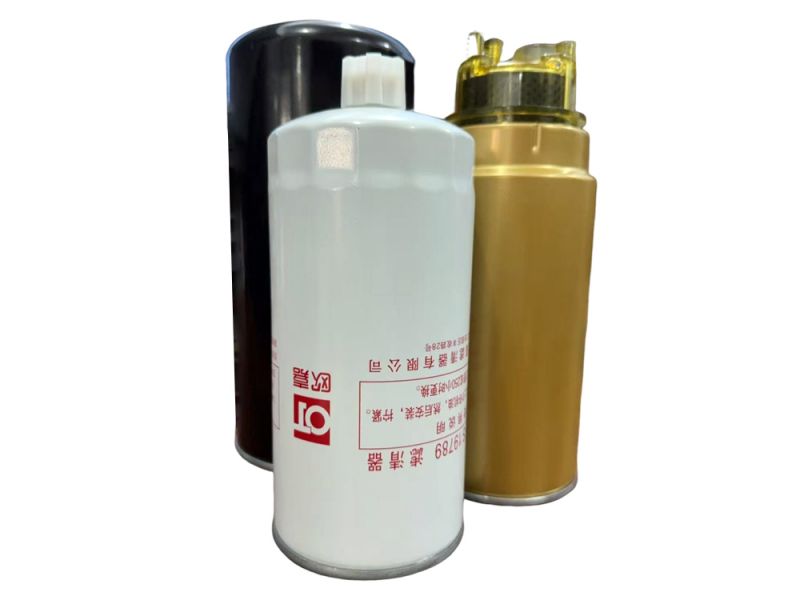
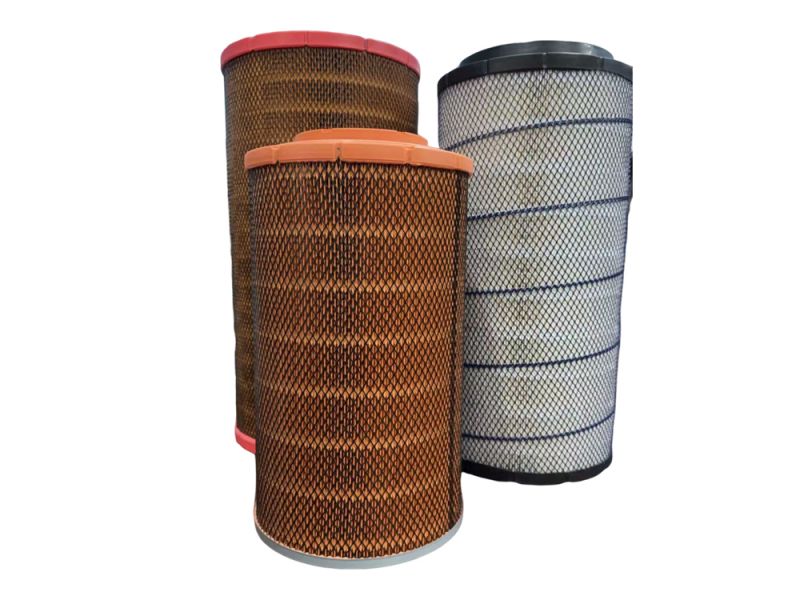
In 2025, the automotive filter market is showing a steady growth trend. With the continuous increase in global car ownership, especially the rising sales of cars in emerging markets, the demand for car filters is also expanding. According to data from market research institutions, the compound annual growth rate of the automotive filter market has remained at a certain level in the past few years and is expected to continue to grow in the coming years.
The market demand for different types of automotive filters also varies. The oil filter, as a frequently replaced component in car maintenance, has a stable and huge market demand. As consumers pay more attention to the protection of car engines and fuel economy, the demand for air filters is gradually increasing. Fuel filters and air conditioning filters also hold important market shares, and with consumers' increasing demands for air quality and engine performance in cars, their market demand is expected to further grow.
Market competition pattern
The competition in the automotive filter market is fierce, with numerous market participants, including internationally renowned brands and domestic local enterprises. International brands such as MAN, Mahler, Bosch, etc., with their advanced technology products and good brand reputation, occupy a large share in the high-end market. These brands focus on research and development investment, constantly launching filter products that are suitable for new technologies and models, such as special filters for new energy vehicles.
Domestic local enterprises are engaged in fierce competition in the mid to low end market. Some domestic enterprises have gradually increased their market share by improving product quality, reducing costs, and expanding sales channels. For example, some domestic enterprises have strengthened their cooperation with automobile manufacturers and become their original supporting suppliers, which has increased brand awareness and market recognition.
Technological Innovation and Development Trends
In 2025, automotive filter technology will continue to innovate. The development of materials science has made the filtering materials of filters more durable. For example, the new type of nanofiber filter material has higher filtration accuracy and lower resistance, which can effectively improve the filtration efficiency of the filter while reducing the impact on engine performance.
Intelligent technology is gradually being applied in the field of automotive filters. Some high-end filters are equipped with sensors that can monitor the usage status and degree of blockage of the filters in real time, and send replacement reminders to car owners through the in car system. This not only improves the convenience of using the filter, but also avoids engine failures caused by excessive clogging of the filter.
Characteristics of Filters
Filtering performance

One of the core features of a filter is its filtering performance. For oil filters, they need to be able to effectively filter impurities, metal particles, and carbon deposits in the engine oil, preventing these pollutants from entering the engine interior and causing engine wear. Oil filters usually use multi-layer filter media with high filtration accuracy, which can intercept small particles.
The air filter needs to filter out impurities such as dust, pollen, and sand particles in the air to ensure that the air entering the engine is clean. The air filter uses special filter paper material, which has a large filtering area and good breathability, and can reduce the impact on the engine intake while ensuring the filtering effect.
Good durability
Durability is an important indicator for measuring the quality of filters. The filter adopts high-quality materials and advanced manufacturing processes, which can withstand harsh working environments and frequent replacement cycles. For example, the housing of the filter should have sufficient strength and corrosion resistance to withstand long-term use in high temperature, high pressure, and humid environments without deformation or damage.
The durability of the filter element is also crucial. The filter material can maintain stable filtering performance over a long period of use, and is not easily damaged or blocked. Some high-end filters use special processing techniques to extend their service life and reduce replacement frequency.
Strong adaptability
The filter should have good adaptability and be able to match different brands and models of cars. Automakers have strict requirements for the size, interface, and installation method of filters when designing cars. The filter can be designed and produced strictly according to these requirements, ensuring a simple and convenient installation process, and can work normally after installation.
Adaptability also includes compatibility with other components of the car. For example, the installation of filters should not affect the normal operation of the car and the performance of other components. Some inferior filters may cause oil and gas leaks due to improper size or installation, affecting the overall performance of the car.
Brand reputation and after-sales service
Brand reputation is an important reference factor when choosing a filter. Famous brands usually have a long history and good reputation, and they have high standards in product quality control, technology research and development, and after-sales service. Consumers can understand a brand's reputation by viewing its user reviews, market share, and other information.
After sales service is also one of the important features of filters. When consumers encounter problems during use, they can promptly receive technical support and solutions from the manufacturer. Some brands offer after-sales services such as free replacement and quality assurance, making consumers feel more at ease when purchasing and using.
Method of selecting a filter
View product certifications and standards
When choosing a car filter, the first thing to check is whether the product complies with relevant certifications and standards. For example, internationally recognized ISO certification, domestic 3C certification, etc. These certifications and standards are important guarantees for product quality, and products that meet certification requirements have strict requirements in material selection, production processes, and performance indicators.
In addition, some car manufacturers also conduct strict testing and certification on the matching filter products, and only certified products can be used as original accessories. Consumers can choose filter products that are identical or certified to their own car brand's original accessories to ensure their quality and compatibility.
Pay attention to product materials and processes
The material and process of the product directly affect the quality and performance of the filter. For oil filters, the casing is usually made of metal material, which should have good strength and corrosion resistance. The filter material determines the filtration effect, and common filter materials include paper, cotton, and synthetic fibers. The filter material should have a large filtration area, good filtration accuracy, and breathability.
In terms of craftsmanship, the manufacturing process of the filter should be fine, and the connections between various components should be firm, without gaps or oil leakage. For example, the sealing gasket of the filter should be made of high-quality rubber material to ensure good sealing performance and prevent oil leakage.
Refer to user reviews and word-of-mouth
User reviews and word-of-mouth are important reference criteria for selecting filters. Consumers can learn about other car owners' experience and evaluation of different brands and models of filters through Internet platforms, automobile forums and other channels. Some well-known brand filters usually have a good reputation, but it is also important to distinguish false reviews.
In addition, you can also consult experienced car owners or mechanics around you, whose accumulated experience and knowledge in practical use can help consumers choose filter products.
Consider price and cost-effectiveness
Price is one of the factors that consumers need to consider when choosing a filter, but the quality of a filter cannot be judged solely by its price. Generally speaking, high-end brand filters are relatively expensive, but they often have more guarantees in terms of filtration performance, durability, and quality stability. However, some low-priced filters may have quality risks. Although the purchase cost is low, they may need to be replaced more frequently, and the long-term cost of use may not necessarily be low.
Consumers should choose cost-effective filter products based on their own needs and budget. You can find the right product for yourself by comparing the prices, performance, and quality of filters from different brands and models.

In the automotive filter market of 2025, consumers will face numerous choices. To choose a filter, it is necessary to comprehensively consider the market size and trends, the characteristics of the filter, and master methods such as checking certification, paying attention to material and process, referring to user evaluations, and balancing price and cost-effectiveness. Only in this way can one choose the appropriate filter for their car, ensuring its normal operation and driving safety.